Jesus Can You Turn Water into Gas SVG: Crafts
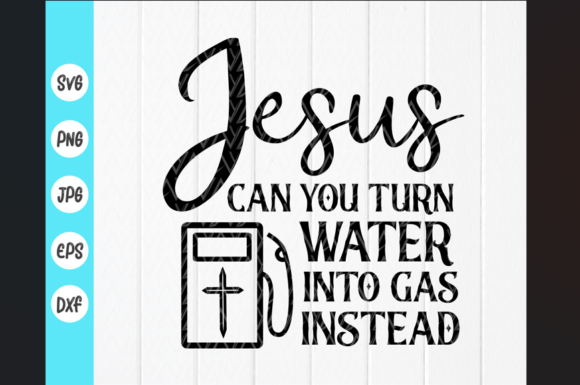
As a blog designer and digital publisher who’s curated over 2,000 graphic design assets for real editorial use—from lifestyle blogs to faith-based newsletters and affiliate content sites—I opened Jesus Can You Turn Water into Gas SVG expecting irreverent charm. What I found was sharper: a surprisingly versatile, clean-line creative design that balances wit and reverence without tipping into kitsch. It lands as playful yet purposeful—modern design with quiet confidence, not loud novelty.
The first impression? Crisp vector lines, intentional negative space, and a subtle typographic rhythm that invites pause—not just scroll. It reads as artistic, not clipart. That distinction matters deeply in editorial design. When readers land on a blog post titled “Miracles in Everyday Life” or “Faith Meets Practicality,” this graphic doesn’t undermine the message—it elevates it with visual warmth and light-hearted sincerity. It leans into lifestyle-focused and creative design spaces, especially where spiritual themes intersect with small business branding, digital guides, or reflective content marketing.
For publishers building consistent brand identity across platforms, Jesus Can You Turn Water into Gas SVG works strongest when treated as a flexible editorial accent—not a standalone joke. Think of it as a signature motif: resized smartly for Pinterest pins (1000×1500px), layered subtly behind serif headlines in newsletter headers, or scaled down as a corner watermark on downloadable printables like prayer worksheets or Sabbath reflection journals. Its clean vector format makes it ideal for Canva templates—resize without pixelation, recolor to match your palette, or pair with muted earth tones for a grounded, modern feel.
In real publishing workflows, this asset shines across multiple touchpoints:
- Blog featured images—especially for posts blending theology, practical living, and gentle humor
- Pinterest pins that stand out in saturated faith-content feeds thanks to strong visual hierarchy and readable contrast
- Digital guides & lead magnets, where it adds personality to cover thumbnails without sacrificing professionalism
- Newsletter banners that reinforce tone before the first sentence is read
- Category thumbnails on resource libraries (e.g., “Faith + Fuel” or “Everyday Miracles” sections)
- Social media graphics for Instagram carousels or Facebook community posts seeking engagement through shared resonance
- Website headers for niche microsites or landing pages tied to seasonal campaigns (e.g., Lent reflections or summer devotionals)
What makes Jesus Can You Turn Water into Gas SVG more than decorative? It supports content performance. A well-placed version increases click-through potential—not by shouting, but by signaling voice and values at a glance. Readers scanning a blog archive or email preview instantly grasp tone: approachable, thoughtful, human. That builds reader trust faster than generic stock imagery ever could. It also strengthens category recognition—if you use it consistently across miracle-themed content, it becomes part of your visual lexicon, reinforcing brand identity across digital product launches, affiliate marketing visuals, or even media kit assets.
This graphic design asset performs best in high-visibility, emotionally resonant contexts: hero images above long-form posts, article thumbnails in email digests, social media previews where first-second impressions drive shares, and downloadable resources where polish signals value. It’s especially effective in creative marketplace listings—think Etsy digital downloads or Gumroad guides—where buyers scan for both aesthetic cohesion and commercial readiness.
That said, use it intentionally—not everywhere. Avoid cramming it into small mobile thumbnails where detail dissolves; skip pairing it with text-heavy blog graphics where legibility suffers; and reconsider placement against low-contrast backgrounds (e.g., light gray on off-white) unless you’ve tested readability rigorously. It’s less suited for corporate content, legal ministry sites, or ultra-minimalist brands prioritizing stark neutrality. If your site relies on strict monochrome systems or serious academic framing, this leans too warmly for comfort.
Here are my practical publisher notes—tested across live sites and client projects:
- Always preview Jesus Can You Turn Water into Gas SVG inside your actual blog layout—not just in isolation. Does it harmonize with your headline font? Try it beside serif (e.g., Merriweather), sans serif (Inter), script (Dancing Script), handwritten (Caveat), and display fonts (Bebas Neue).
- Test thumbnail rendering at 150×150px and 300×300px—does the core shape remain legible?
- Check contrast ratios using browser dev tools—especially if overlaying text. Aim for 4.5:1 minimum for body copy.
- Convert to grayscale to assess tonal balance—does it retain visual weight without color?
- Verify file size: SVG should stay under 8KB for fast loading. If delivered as PNG, compress with TinyPNG or Squoosh before upload.
- Confirm commercial license terms—this is essential for monetized websites, affiliate marketing pages, paid digital guides, or any content with ad revenue or product links.
Ultimately, Jesus Can You Turn Water into Gas SVG succeeds because it meets creators where they work: in the messy, joyful, deadline-driven reality of content publishing. It’s not just another digital download—it’s a functional piece of editorial design. Whether you’re building a faith-based small business branding kit, designing a printable devotional series, or refreshing social media graphics for an online educator, this asset delivers clarity, consistency, and quiet charisma. Paired with intentional typography, smart spacing, and audience-aware context, it transforms from clever idea into trusted design asset—one that helps your content look polished, clickable, and unmistakably *yours*.