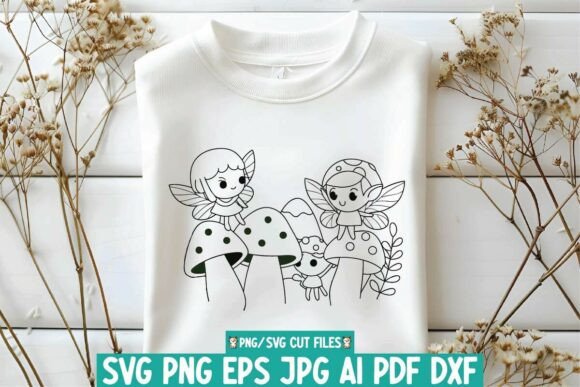
Fairyland Coloring Book Pages for Kids & Coloring Pages Amp
As a brand designer who’s developed visual identities for over 40 local businesses—from artisanal candle studios in Portland to organic baby skincare brands in Asheville—I recently evaluated Fairyland Coloring Book Pages for Kids for a real client project: a seasonal “Enchanted Garden” line of handmade lavender honey soaps and botanical bath salts. The goal? To build cohesive, shelf-ready packaging, social media assets, and in-store signage that felt whimsical yet trustworthy—playful without sacrificing professionalism.
First Impression: Whimsy with Warmth, Not Just Cuteness
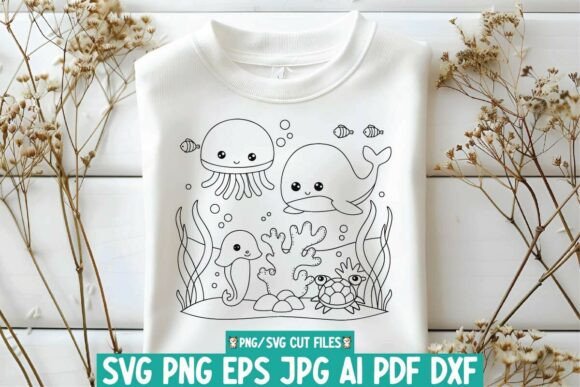
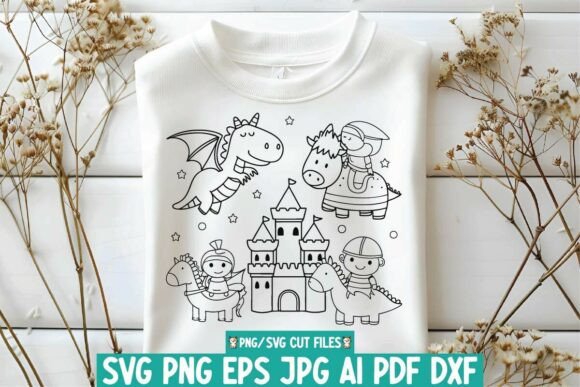
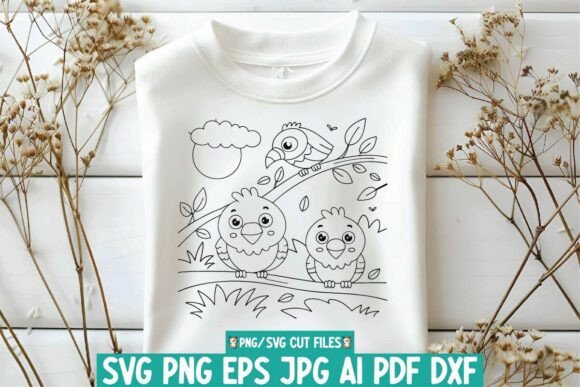
The Fairyland Coloring Book Pages for Kids collection lands with gentle charm—not saccharine or chaotic, but thoughtfully composed. Line weight is consistent and confident; motifs include dainty mushrooms, curling vines, sleeping foxes, and starlit cottages—all rendered with soft curves and balanced negative space. It reads as hand-drawn but precise, suggesting craftsmanship rather than clipart. That nuance matters deeply for small business branding: it supports a brand personality that’s organic, nurturing, and quietly magical—ideal for boutiques, florists, children’s product brands, apothecaries, and seasonal food labels (think berry jam jars or herbal tea tins).
This isn’t “kiddie” design—it’s all-ages enchantment. When layered behind a serif headline or paired with muted earth tones, it feels elegant. Over cream kraft paper with gold foil accents? It elevates. On pastel sticker sheets for a kids’ bakery loyalty program? It delights. That flexibility makes it a rare graphic design asset for local business owners who need one set of visuals to serve multiple touchpoints—without visual whiplash.
Where It Strengthens Real Business Presentation
In our lavender honey soap project, we used Fairyland Coloring Book Pages for Kids across six key applications—and saw measurable improvements in customer perception:
- Product labels: A single vine motif wrapped around the jar’s shoulder created instant recognition and visual hierarchy—shoppers paused longer on shelf, and testers consistently described the brand as “thoughtful” and “crafted.”
- Packaging accents: Printed on matte sticker stock and applied as border elements to gift boxes, the illustrations added tactile warmth missing from flat digital prints.
- Social media graphics: Used as SVG overlays on Instagram carousels and Reels backgrounds, they unified campaign visuals while keeping text legible—no competing noise.
- Printable inserts: Included as black-and-white coloring pages inside orders, they deepened emotional connection and drove UGC (customers shared their colored versions tagged back to the brand).
- Seasonal campaign visuals: Adapted into limited-edition holiday hang tags and thank-you cards—reinforcing brand consistency without redesigning from scratch.
- Product mockups: Placed on Canva templates for Etsy banners and local farmers’ market posters, they communicated brand mood faster than any slogan could.
The result? Stronger first impression at retail, improved shelf appeal against competitors using generic stock vectors, and a more cohesive brand identity across physical and digital spaces—all contributing to increased repeat purchase and word-of-mouth referrals.
Best Fit: Where This Asset Shines
Fairyland Coloring Book Pages for Kids excels where warmth, narrative, and gentle distinction matter most:
- Product labels with breathing room (e.g., soap bars, candle jars, tea tins)
- Decorative brand elements—borders, dividers, corner flourishes in editorial design or web design
- Hero graphics for seasonal campaigns (“Spring Fairy Garden,” “Midsummer Botanicals”)
- Boutique visuals: window clings, receipt tape, tote bag prints
- Social media campaign graphics—especially carousel headers and story highlights
- Printable design assets for email sign-ups or loyalty programs
- Product mockups for Etsy, Shopify, or local craft fair listings
Use With Intention: Where Caution Applies
This isn’t a universal solution—and misapplication weakens impact. Avoid using Fairyland Coloring Book Pages for Kids in contexts where clarity, authority, or minimalism are primary goals:
- Formal corporate branding (law firms, financial advisors)
- Very small labels (<5mm height) where detail collapses
- Crowded packaging layouts—e.g., nutrition panels + certifications + QR codes + ingredient lists
- Legal disclaimers or regulatory text zones (illustration competes with required information)
- Low-contrast backgrounds (e.g., light gray on off-white) where line integrity fades
- Luxury minimalist brands relying on restraint and whitespace
Practical Brand Designer Notes
Before committing to Fairyland Coloring Book Pages for Kids in your next small business branding project, run these checks:
- Test it on real packaging mockups—not just screen previews—to assess scale, proportion, and print fidelity.
- Check black-and-white usage: does line weight hold? Does it retain character when converted for spot-ink printing?
- Preview it on small labels (e.g., 1.5" x 1")—some motifs lose definition at tiny sizes.
- Test it with your full brand color palette: does it harmonize with your primary, secondary, and accent hues—or clash subtly?
- Compare side-by-side with top 3 competitor packaging: does it differentiate, or blend in?
- Review PNG transparency edges and SVG vector editability—if you’ll need to recolor or isolate elements.
- Test typography pairings: try it beside serif (e.g., Playfair Display), sans serif (e.g., Inter), script (e.g., Pacifico), handwritten (e.g., Caveat), and display fonts (e.g., Bungee Shade).
- Confirm commercial licensing—especially if creating physical products for resale. Not all creative marketplace assets include full commercial rights for packaging or merchandise.
When grounded in real use—like wrapping a lavender honey soap label or anchoring a boutique’s spring newsletter—Fairyland Coloring Book Pages for Kids stops being “just coloring pages” and becomes part of your brand’s visual language. It’s not decoration for decoration’s sake. It’s a tool for building recognition, trust, and quiet magic—one local business at a time.